Air Quality Optimization: Toronto Chiropractor Reveals Indoor Particle Density
• by Dr. Adrian Cohen
You might think Toronto’s outdoor air is the problem, but shocking new research reveals your home’s indoor air could be five times more polluted. A Toronto chiropractor explains why this hidden health threat is affecting your sleep, cognitive function, and healingand what laboratory testing discovered about one surprising solution.
Key Takeaways
- In many instances, indoor air quality in Toronto homes can be significantly more polluted than outdoor air, sometimes exceeding outdoor levels by a factor of five or more, depending on factors like ventilation and pollutant sources.
- Poor indoor air quality directly impacts respiratory health, cardiovascular function, cognitive performance, and sleep quality for Toronto residents.
- Third-party laboratory testing demonstrates that professional-grade air scrubbers can remove a significant percentage of airborne mold. Up to 97.1% in one hour in controlled studies using specific mold types like Aspergillus Niger.
- Healthcare professionals increasingly recommend air purification systems as part of wellness strategies for patients with allergies and respiratory conditions.
- Black Friday sale ends tonight: save $400 by going to jaspr.co and use code torontochiro at checkout. If you missed the sale, use the same code to save $200
Toronto’s Indoor Air Problem: When Home Air Becomes More Polluted
Toronto residents may be surprised to learn that the air inside their homes is often more contaminated than the air outside. Despite the city’s efforts to improve outdoor air quality, indoor environments frequently harbour concentrations of pollutants that exceed outdoor levels by significant margins.
The problem stems from modern construction practices that prioritize energy efficiency over ventilation. Toronto homes are built increasingly airtight, trapping pollutants from everyday sources like cooking, cleaning products, furniture off-gassing, and personal care items. These sealed environments create conditions where harmful particles accumulate with limited escape routes.
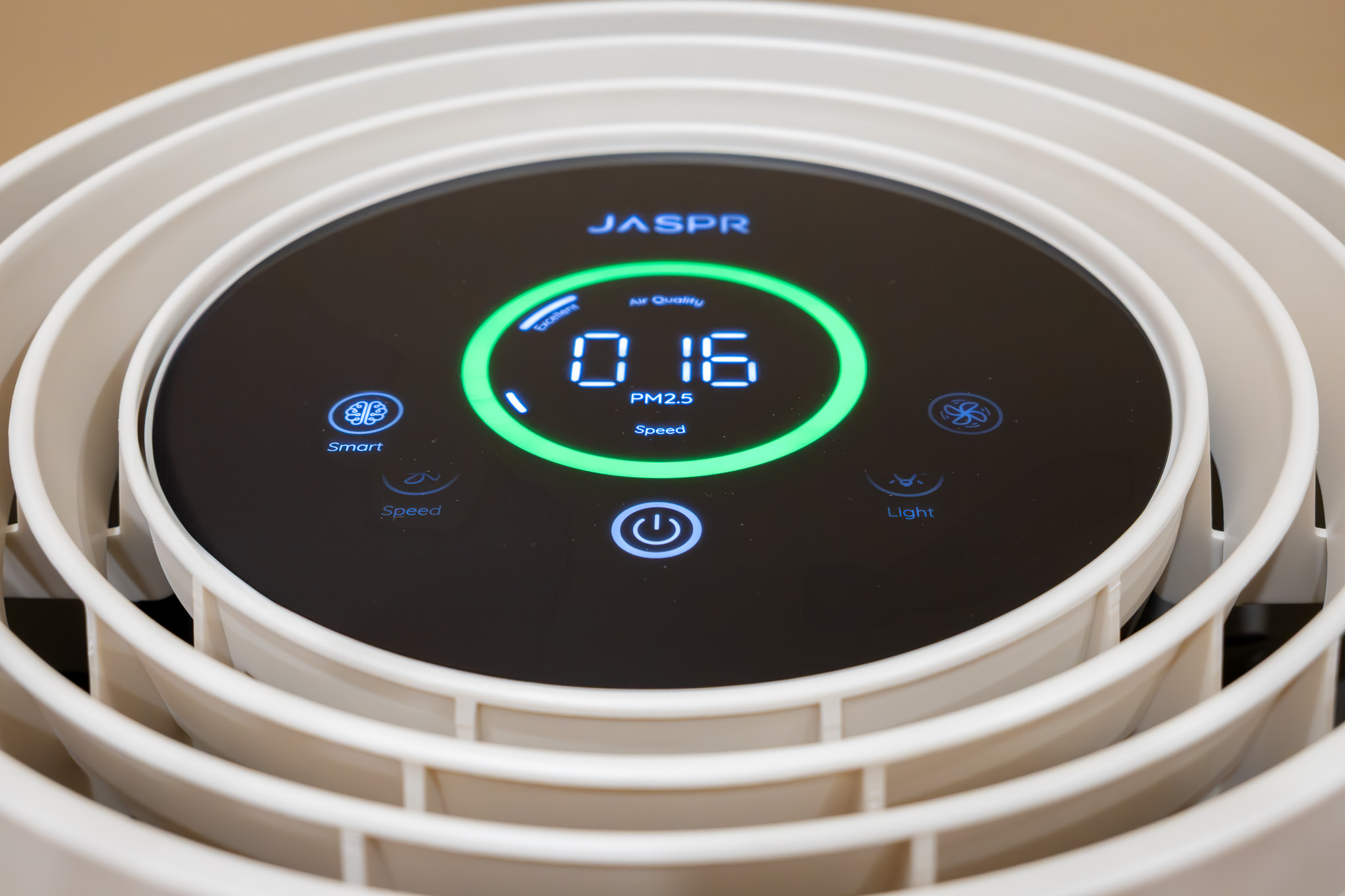
Professional-grade air scrubber technology, such as the Jaspr Air Scrubber, offers a solution by continuously monitoring and filtering indoor air pollutants.
Traffic-related pollution from Toronto’s busy streets compounds the issue, as ultrafine particles from vehicle emissions find their way indoors through windows, doors, and ventilation systems. These microscopic invaders become concentrated in closed spaces, creating health risks that many homeowners don’t realize they’re facing daily.
The Hidden Health Impact of Poor Indoor Air
-
Respiratory and Cardiovascular Consequences
Poor indoor air quality significantly worsens respiratory conditions like asthma and allergies, which are increasingly common among Toronto residents. Long-term exposure to indoor air pollutants creates a heightened risk of cardiovascular diseases, a particularly concerning issue in a city where outdoor pollution regularly seeps indoors.
Ultrafine particles present the greatest threat because they can penetrate deep into lung tissue and enter the bloodstream directly. Research indicates that long-term exposure to ultrafine particles is linked to approximately 1,100 premature deaths annually in Toronto and Montreal, highlighting the serious nature of indoor air contamination.
-
Cognitive Function and Sleep Disruption
Exposure to high levels of indoor pollutants impairs cognitive function, affecting memory, concentration, and overall mental performance. Toronto residents working from home may notice decreased productivity and mental clarity without realizing their indoor air quality is the culprit.
Sleep quality suffers dramatically in polluted indoor environments. Poor air quality triggers snoring, coughing, and sneezing throughout the night, preventing the deep, restorative sleep necessary for optimal health. The average bedroom contains over one million tiny particles floating in the air, creating an environment that works against natural sleep patterns.
-
How Toronto’s Humid Summers Create Mold Growth Indoors
Toronto’s climate, characterized by humid summers, creates ideal conditions for mold and mildew growth inside homes. These biological pollutants thrive in moisture-rich environments, particularly in basements, bathrooms, and poorly ventilated areas common in older Toronto housing stock.
Mold spores become airborne and circulate throughout homes via heating and cooling systems, affecting air quality in every room. This biological contamination poses serious health risks, particularly for individuals with compromised immune systems or existing respiratory conditions.
Understanding Particle Density in Your Home
What Particles Are Floating in Your Air
Toronto homes contain a complex mixture of airborne particles that vary in size and health impact. Large particles include dust, pet fur, lint, carpet fibres, and pollen visible to the naked eye. These particles, while annoying, are less dangerous than their microscopic counterparts.
Medium-sized particles include fine dust, allergens, pet dander, and mold spores that trigger allergic reactions and respiratory symptoms. The most concerning category consists of ultrafine particles. Microscopic contaminants from vehicle emissions, industrial processes, and chemical off-gassing that penetrate deep into the respiratory system.
How Ultrafine Particles Enter Your Bloodstream
Ultrafine particles measuring less than 0.1 micrometers in diameter pose the greatest health threat because they bypass the body’s natural filtration systems. Unlike larger particles that get trapped in the nose and upper respiratory tract, ultrafine particles travel directly to the alveoli in the lungs.
Once in the alveoli, these microscopic invaders cross into the bloodstream and circulate throughout the body. This direct pathway allows ultrafine particles to affect not just respiratory health, but cardiovascular function, brain activity, and other organ systems. The particles can accumulate in various tissues, potentially contributing to heart disease, stroke, and certain cancers.
Advanced Air Scrubber Technology for Toronto Homes
PM2.5 and VOC Detection Capabilities
Modern air scrubber technology incorporates sophisticated sensors that monitor PM2.5 particles and volatile organic compounds (VOCs) in real-time. PM2.5 particles, measuring 2.5 micrometers or smaller, include fine dust, allergens, and combustion particles that pose serious health risks.
VOC detection capabilities identify chemical fumes from cleaning products, paints, furniture, and building materials that continuously off-gas into indoor air. Advanced units automatically adjust filtration intensity based on detected pollutant levels, maintaining optimal air quality without manual intervention.
Third-Party Lab Study Shows 97.1% Mold Removal in One Hour
Independent laboratory testing demonstrates the remarkable effectiveness of professional-grade air scrubber technology against biological contaminants. In controlled studies using Aspergillus Niger, a common household mold, advanced air scrubbers achieved 97.1% mold removal within just one hour of operation.
The testing continued to show even more impressive results over time: 99.8% mold removal in two hours and complete 100% elimination within three hours. These laboratory-verified results provide concrete evidence of air scrubber effectiveness against one of Toronto’s most persistent indoor air quality challenges.
Why Healthcare Professionals Recommend Air Purification
Healthcare providers increasingly recognize air quality as a fundamental component of patient wellness. Chiropractors, in particular, understand how environmental factors affect the body’s ability to heal and maintain optimal function. Poor air quality creates systemic inflammation that can interfere with the musculoskeletal treatments and adjustments that form the core of chiropractic care.
Medical professionals recommend air purification systems especially for patients with respiratory conditions, allergies, or compromised immune systems. Clean air reduces the inflammatory burden on the body, allowing natural healing processes to work more effectively. For chiropractic patients, this means better treatment outcomes and faster recovery times.
The close contact nature of healthcare environments makes air quality particularly important. Professional practitioners invest in air purification technology to create safer treatment spaces for both patients and staff, demonstrating their commitment to holistic health and wellness approaches.
CURE Clinic’s Solution: Professional-Grade Air Quality Optimization
CURE Clinic recognizes that true health optimization extends beyond traditional chiropractic adjustments to include environmental wellness factors like air quality. The clinic’s approach addresses how indoor air pollution affects the body’s ability to heal and maintain optimal function.
By understanding the connection between air quality and musculoskeletal health, CURE Clinic provides patients with insights into creating healthier home environments. Poor air quality contributes to systemic inflammation that can slow healing and reduce treatment effectiveness, making air quality optimization an important component of overall wellness strategies.
The clinic’s expertise in holistic health approaches helps Toronto residents understand how environmental factors like particle density impact their daily well-being. This perspective ensures patients receive not just symptom relief, but guidance on creating conditions that support long-term health and vitality.
For chiropractic care that considers all aspects of your health environment, visit CURE Clinic where Toronto’s leading chiropractors provide expert guidance on optimizing your overall wellness.